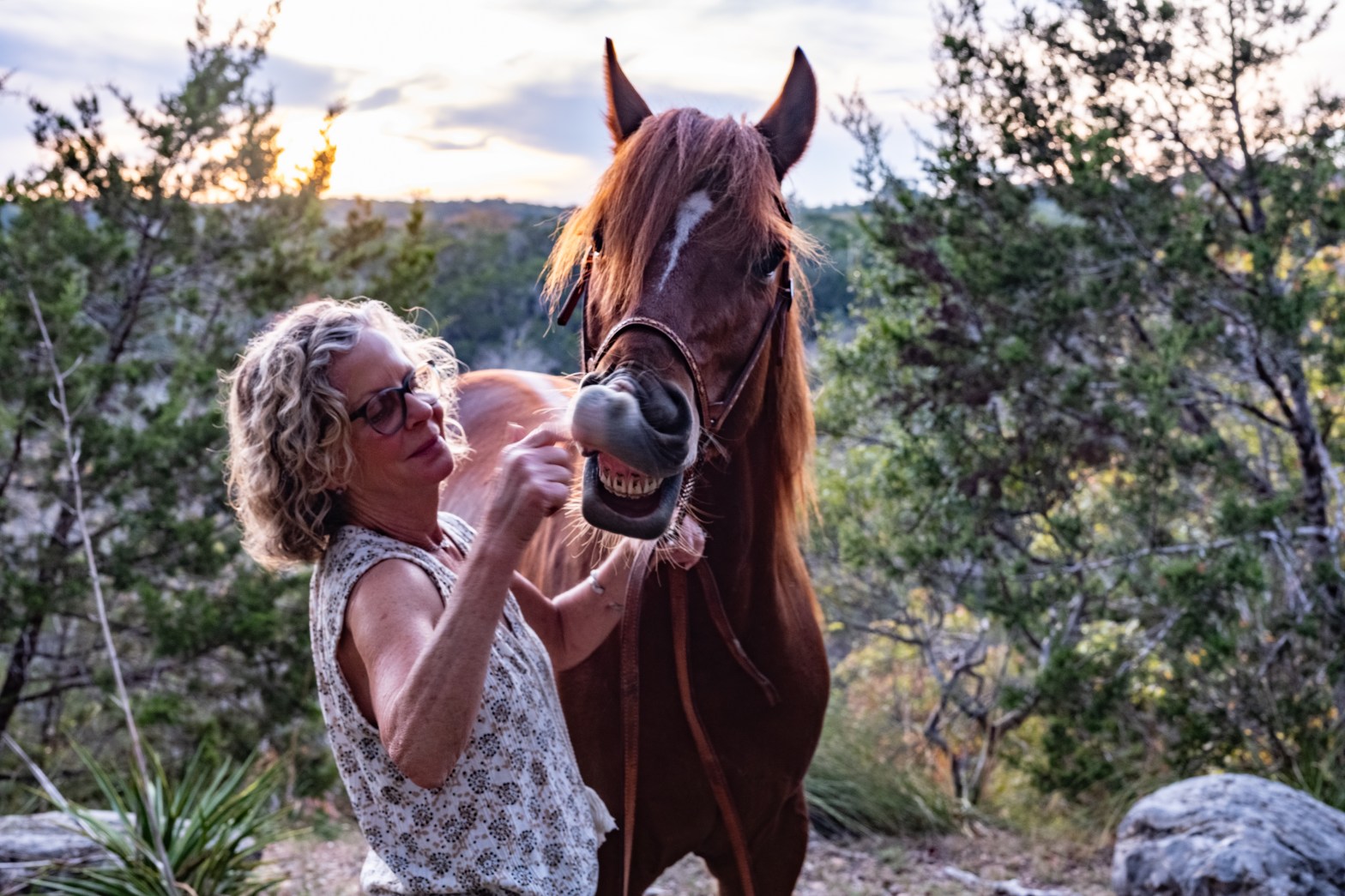
Light or lack of light is the great equalizer for capturing great images with your camera. It doesn’t matter if you are shooting with a film camera, or a digital camera, the light is what enables the image. So, the other day when my wife Kathy wanted a picture of her with Phoenix (her horse) and it was less than 60 minutes to sundown, I knew we needed to hurry. No time to change clothes. Grab camera, grab horse, and go.
We had briefly talked about location and background with the best colors. A quick review of lighting/background told us where we could get the best light. I had decided to shoot with my Fuji GFX 50S and the Fuji 50mm f/3.5 lens – giving me an equivalent 40mm field of view. This is not a wide lens but wide enough and fast enough for this practice session.
Factors to Consider
When you are shooting pictures of people, you can ask them to sit still. You have a reasonable chance that they will hold a pose for you. That won’t work when you are taking pictures of a 800 pound animal who doesn’t give a damn about posing or sharp images. Then combine the fact that the GFX 50S is more of a studio camera than an action camera; my challenges were obvious. Add in that the sun is quickly falling behind the hill, fading into dusk, followed by darkness.
In the next 20 minutes we moved to four or five varying locations, and. I shot 162 images. I knew that many would be trashed because Phoenix wasn’t standing still, no matter how many times I shouted “cheese.”
I didn’t have a lot of time to chimp during this process and when I did, I was generally disappointed with the focus or the pose. I had face and eye detection on but that is not really strong suit for the 50S; it’s reported to be much better on the newer models of the GFX 100 (we can talk about my wish list later).
Enough background information – let’s get to the results. I imported 162 images into Adobe Lightroom and quickly eliminated about 20 that just plain sucked. Long story short, I found 37 that I thought were good enough to share with my wife. My normal editing practice is to adjust the highlights down and shadows up, then maybe tweak the clarity and dehaze sliders to enhance contrast. I generally don’t touch the sharpness or noise sliders with digital images. That process took about 45 minutes. The chosen photos were given a “star” rating, then I exported them to another folder for review and posting.
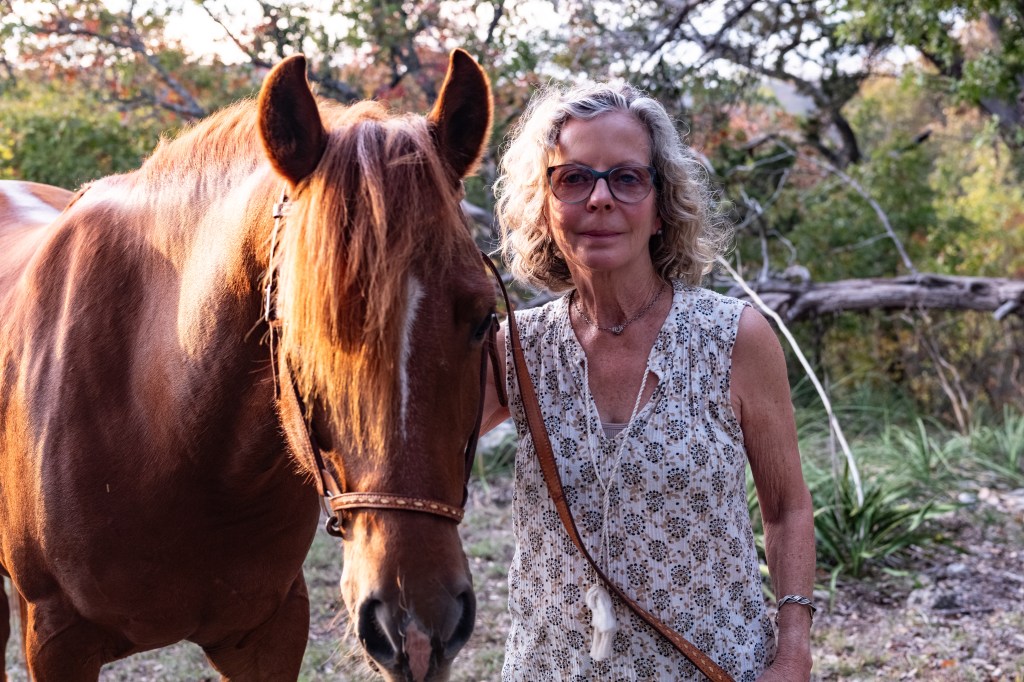
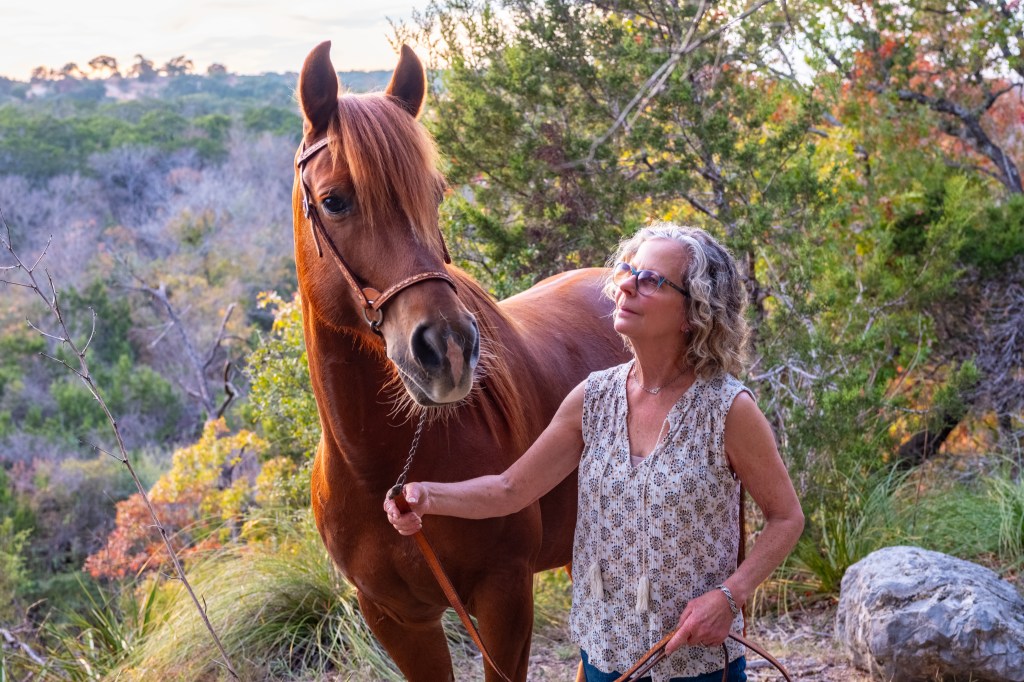
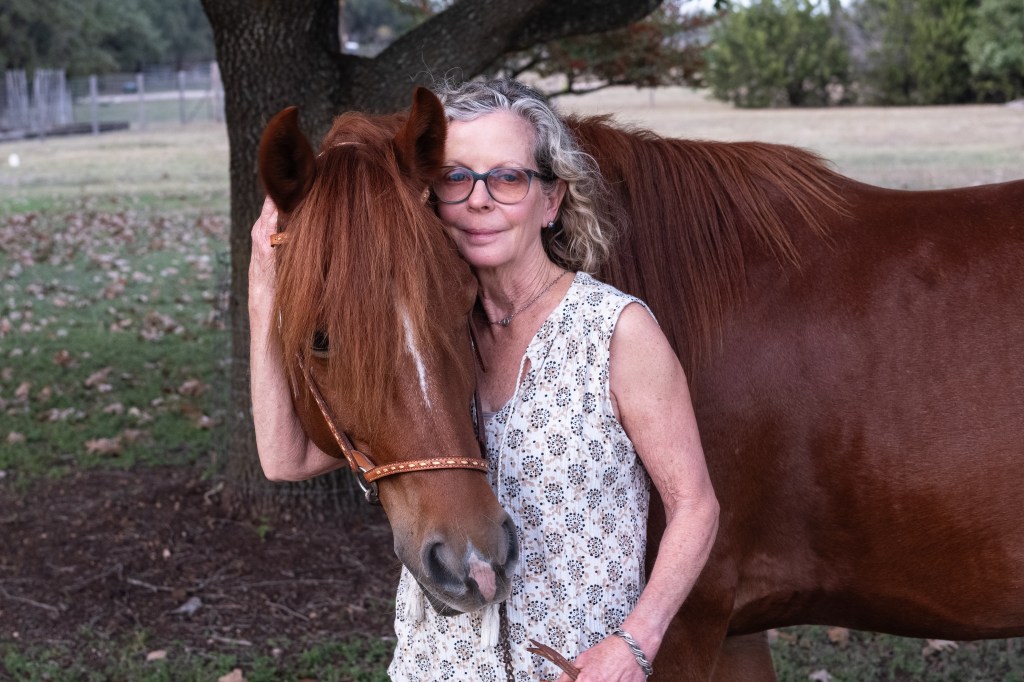
Here are a few pics from that quick edit session. Thirty seven images were exported as 14 inch jpegs at 300 dpi with a 100% quality level.
What’s Next?
These were practice pictures. The next time I do this, I will have different autofocus and iso settings and a faster shutter speed to reduce blur. We will have thought harder and longer about the background and colors. Hopefully the results will match her professional photoshoot expectations.
Camera choice? I will probably shoot with My Nikon D850 and a 35-70 2.8 lens. That will provide both a wider ISO range and a faster lens. I will post the best from that shoot sometime in the next week. Till then, look for the light and do the best you can do. I am outa here.
 RiverDogs X -Words and Pictures from the River's Edge